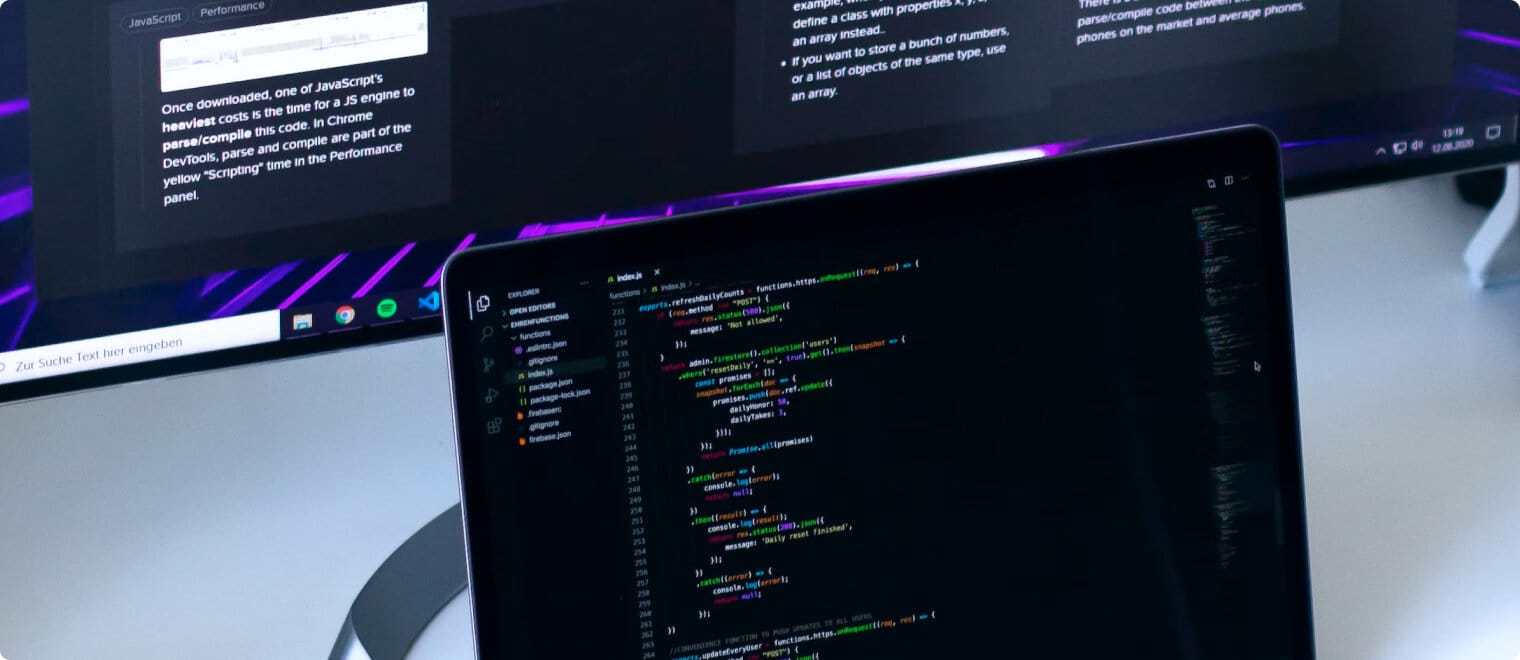
Our iOS and Android app development serves businesses and public institutions, helping customers, residents, visitors and employees carry out specific tasks. The work connects interface design, data services and administration with user testing and publication preparation. We hold the necessary development accounts and licences; ownership and the publishing arrangement for your app are established at the start.Discuss an iOS and Android appExplore this service
SERVICE ASSESSMENT
Mobile app readiness diagnostic
Review mobile tasks, data behaviour, device testing and publication. The result uses your answers and does not guarantee store approval.
AT A GLANCE
A clear starting point
Who it is for
Businesses and public institutions that need useful services, information or workflows on residents’, visitors’ and employees’ phones.
What we need to start
Provide user scenarios, platform requirements, existing API information and your plans for administering the app.
What you receive
Receive agreed iOS and Android functions, test results, publication preparation and clearly assigned support responsibilities.
WHO IT IS FOR
When does iOS and Android app development make sense?
Mobile app development includes feature and interface design, iOS and Android implementation, data interfaces, testing and release preparation. Store approval is a separate decision by Apple or Google. Support after launch should be planned in advance.
An app is worth considering when people return regularly, need phone capabilities or have a defined offline workflow. An employee might record completed work on location, while a customer might check an order’s progress. We first explain how the experience should improve on a mobile-friendly website.
If visitors occasionally read information and send an enquiry, a web solution may be sufficient. An app also introduces installation, platform policies and continuing maintenance. Making the choice requires actual user scenarios, proposed functions and a clear account of the problem the current approach leaves unresolved.
For public institutions and event organisers
An app may start with a resident’s or visitor’s need rather than a sale: finding an event programme, service information or a location on a map, or submitting a clear report. Dev4you.lt offers these solutions to public institutions, cultural organisations and event teams. We first establish who uses the information, who updates it and which functions genuinely require an app.
These projects need clear navigation, understandable language, readable content and a process for keeping information current. Sign-in, notifications and phone permissions are included only where the function requires them. We also consider which information should remain available on the website so visitors can access it without installing an app.
SCOPE
How is an iOS app developed and prepared?
For iOS, we plan principal screens, navigation, sign-in and permissions for relevant phone capabilities. Where a camera or notifications are needed, we define their purpose and the behaviour when permission is declined. Technology choices follow the functions and requirements of both platforms; no single development approach is treated as universally superior.
Both platforms are planned within the agreed project scope. Apple or Google makes the final release approval decision.
How is an iOS app developed and prepared?
We agree supported device types and operating-system coverage before implementation. A test build supports the planned scenarios, and your team checks content and working logic. Publication materials include descriptions, screenshots and accurate information about data use. Apple’s review remains a separate platform decision.
How is an Android app developed and prepared?
Android is checked against agreed screen and device scenarios because a successful display on one phone does not establish the entire experience. We consider longer text, input fields and understandable error messages. The list of devices and versions used for testing is an explicit part of the project.
Permission requests are connected to specific features with an explanation of their purpose. If a user declines, the app should explain which capability is unavailable and what remains possible. When preparing a release, we check the current Google Play submission requirements and prepare the publication materials accordingly.
How does the app connect to an API and administration system?
The app presents the interface, while its API and business system manage defined data and actions. We plan these layers together: who signs in, which records they can access, where content changes and how staff administer activity. An existing API needs documentation and a suitable test environment.
Synchronisation rules are particularly important for offline functions. We describe what remains on the device, when it is sent and how conflicting changes are resolved. Notifications and administration permissions are considered separately. Building screens does not automatically provide a supporting server application, so both parts are explicitly identified in the proposal.
Two connected application layers
iOS and Android appScreens, user actions, device permissions and any planned local data storage.
API and business systemAuthentication checks, data, business rules and administration functions.
iOS and Android app User request and required data API and business system
API and business system Result, updated state or error explanation iOS and Android app
An illustrative connection: the app interface and server functions are planned together. Offline operation and synchronisation follow a defined use case.
A delivered example: the Panevėžys 523 birthday guide
For 523.jp.lt, Dev4you.lt delivered the technology covering the website, mobile apps and shared data system. The public guide presents the festival programme, an event-location map, news and media, while the JP team manages editorial content. The example shows how one information set can serve different channels while technical maintenance and everyday publishing remain distinct responsibilities.
Tests follow user actions such as signing in, viewing data, saving a change and signing out. They include lost connectivity, expired sessions, declined permissions and invalid input. Users should understand whether an action succeeded rather than repeat it because the screen gives no useful feedback.
During beta review, your representatives perform real tasks using appropriate test data. Issues record the device, version and steps needed to reproduce them. The report identifies passing scenarios and remaining limitations. The agreed device and operating-system list defines test coverage.
How we work
Each stage defines the work, your input and the result to check.
We discuss recurring user tasks and whether an app is appropriate. You explain the current workflow, producing a priority list and scope for both platforms. For public institutions, we also consider resident or visitor groups, responsibility for keeping information current and the relationship between the website and app.
We prototype the screens and define the connection to the API. You review the journey, allowing data, permissions and administration requirements to be agreed before development.
We build the approved app and server functions. Your team provides content and integration information, while an intermediate version demonstrates the main scenario.
We test agreed devices and organise beta review. Your representatives provide specific feedback, and the results show working functions and remaining limitations. We also check readability, content navigation and access to essential information without unnecessary registration.
We prepare store materials and the submission process. You approve declarations and account arrangements, while the handover record assigns ongoing support responsibilities.
How do we prepare App Store and Google Play publication?
Publication requires more than a completed app file. We agree account ownership, identifiers, signing, descriptions and visual materials. You approve the public business information and descriptions of functionality. Privacy declarations need to reflect the actual behaviour of the app and its included components.
During submission, we review platform questions, agree responses with the client and assess any required changes. A nominated person approves business and privacy information so the review does not stall over missing details. Apple or Google makes the final publication decision.
Apple App Review Guidelines describe App Store review requirements; the platform makes the final decision on a submitted app.
What does handover and ongoing app maintenance include?
Handover covers the agreed release, administration information and test results. We document responsibilities for accounts, signing, the API and connected services. Your team should know how to report a problem and who can prepare a subsequent release.
Operating systems, dependencies and store policies change after launch, so support is planned in advance. Project defect corrections, compatibility updates and new features have different scopes. The API and administration system also require maintenance; the presence of a store listing does not mean every connected component will remain functional without updates.
Illustrative scenario: recording work away from the office
This is an illustrative scenario, not a claim about a specific published app. An employee records a completed task and adds a photograph. A planned offline feature shows a pending state when connectivity is unavailable and transfers the data once the connection returns. An administrator can then see the accepted task.
Acceptance checks establish that one action does not create two records, declining camera permission produces a useful explanation and the employee sees the final transfer status. The results establish whether the employee can reliably complete the intended task.
What determines the cost?
Factor
Why it matters
Information we need
Features and platforms
iOS and Android differences and design shape implementation.
Feature list and platform differences.
APIs and administration
Backend services and administration tools form part of the work.
Existing APIs and management needs.
Testing and support
Devices, release work, licences and support are separate components.
Test devices and release model.
FAQ
Frequently asked questions
Yes, Dev4you.lt develops apps for both platforms and has the developer accounts and licences needed. Project technology, features and ownership of release accounts are agreed before implementation begins.
Not always. Shared-code and platform-specific approaches can be assessed around features and support. The choice should follow project requirements rather than a promise that one technology will always cost less.
Yes, these can be included in the project. Scope depends on data, users, processes and existing systems. If you already have an API, its documentation, authentication and suitability for the app are assessed first.
No. We prepare the agreed technical and submission work, but the platform makes the final review decision. Release rules and required declarations are checked during the project; additional questions and changes may be necessary.
The account owner, access, app identifiers and handover procedure are defined in the agreement. Dev4you.lt’s developer accounts do not mean the client’s app must remain in them. The decision follows management and handover needs.
Specific offline scenarios can be implemented if planned in the project. We must define which data stays on the device, how synchronisation works and how conflicts are resolved. Not every server function can operate offline.
Cost depends on features, design, platform-specific needs, APIs, administration tools, testing scope and release work. Licences, server expenses and post-launch support also need to be planned.
Yes, dependency, operating system and platform policy changes, as well as API operation, need attention. Maintenance, bug fixes and new features are agreed separately so the app retains a responsible support team.
Yes. Dev4you.lt develops apps for businesses, public institutions, cultural organisations and event teams. A solution can include information, a programme, a map, self-service or connections to existing systems. Functions are selected around visitors’ needs and the publishing team’s work. We also consider the website’s role, accessibility and how content will be maintained after the event or project phase ends.
CONNECTED SERVICES
What else may be relevant?
Choose the service that matches the scope of your next task.
Essential technologies keep the website working and remember your choice. Only with your permission does Google Analytics help us understand how Dev4you.lt is used. All services work if you decline. About cookies